Chapel Hill homeowners face unique cleaning challenges that generic advice doesn’t address. From the humidity that feeds mold growth to red clay that settles into carpets, keeping a Chapel Hill home clean requires strategy tailored to the local climate and lifestyle. Whether you’re managing a historic home near campus or a suburban family residence, house cleaning in Chapel Hill demands year-round attention and smarter workflows. This guide walks you through practical cleaning strategies, essential supplies, and seasonal tactics that work specifically for homes in this region, so you can spend less time scrubbing and more time enjoying your home.
Table of Contents
ToggleKey Takeaways
- House cleaning in Chapel Hill requires humidity and mold prevention strategies unique to the region’s subtropical climate, high rainfall, and red clay conditions.
- Stock essential supplies including white vinegar, hydrogen peroxide, microfiber cloths, and mold-fighting cleaners specifically designed to tackle Chapel Hill’s moisture and clay challenges.
- Prioritize bathrooms and kitchens with weekly moisture control—use squeegees after showers, replace caulk every 18–24 months, and run exhaust fans for 30 minutes to prevent mold colonies.
- Implement seasonal cleaning priorities: extend vacuum schedules during spring pollen peaks, maintain humidity below 60% in summer, clear gutters twice in fall, and monitor winter water intrusion in basements.
- Maximize efficiency by creating cleaning zones (one per weekday), preventing dirt at entry points with boot trays, and batching similar tasks to reduce time spent on house cleaning in Chapel Hill.
Why Chapel Hill Homes Need Tailored Cleaning Strategies
Chapel Hill’s subtropical climate creates cleaning conditions unlike drier regions. The combination of high humidity, frequent rain, and warm summers accelerates dust accumulation, encourages mold and mildew growth in bathrooms and basements, and turns outdoor debris into indoor problems faster than you’d expect.
The red clay native to the Piedmont region, that rusty soil found throughout Chapel Hill, sticks to shoes, gets tracked onto light-colored rugs, and settles into grout. If your home sits near trees (and most Chapel Hill homes do), you’re dealing with pollen, leaf debris, and organic matter that breaks down and creates mold spores. Standard national cleaning advice often misses these local realities.
Adapting your cleaning routine to Chapel Hill conditions means focusing on moisture control, using mold-resistant products, and creating entry-point barriers. A single rainy week can bring twice the dust load through open doors and windows. Understanding this helps you allocate cleaning effort where it matters most rather than spreading effort evenly across every task.
Essential Cleaning Supplies Every Chapel Hill Household Should Stock
Build a core supply kit tailored to Chapel Hill’s challenges. You’ll need more mold and mildew fighters here than in drier climates, stock white vinegar, hydrogen peroxide (3%), and a dedicated mold-fighting cleaner (look for products with bleach or tea tree oil). The vinegar and peroxide combo is safe for most surfaces, works on soap scum and hard water deposits, and handles early mold growth without the harshness of straight bleach.
For red clay removal, microfiber cloths outperform cotton rags because their tight fibers trap fine particles rather than just pushing them around. Get six to eight microfiber cloths and rotate them, wet ones for fresh spills and dried clay, dry ones for dusting and buffing. Add rubbing alcohol for windows and glass: Chapel Hill humidity means you’ll battle water spots and streaks that standard window cleaners leave behind.
For floors, a pH-neutral hardwood cleaner protects wood from the moisture swings that cause warping in humid climates. If you have tile (especially in basements or bathrooms), a grout brush with stiff nylon bristles prevents mold from settling into grout lines. Include rubber gloves, goggles, and a dust mask or N95 respirator when working with mold-fighting products or dealing with pollen peaks. Don’t skip the PPE, mold spores and cleaners are respiratory irritants. According to recommendations from cleaning safety standards, proper protective equipment reduces health risks significantly when working with strong chemical cleaners.
Room-by-Room Deep Cleaning Plan
Kitchen and Bathroom Priorities
Kitchens and bathrooms are where Chapel Hill’s humidity does the most damage, so prioritize them in your rotation. In the kitchen, moisture from cooking and dishwashing creates film on cabinets and attracts mold around window sills. Start with cabinet fronts and grout lines, use white vinegar diluted 1:1 with water, apply with a cloth, and wipe dry immediately to prevent moisture from sitting.
For bathroom mold prevention, the goal is drying surfaces quickly. After showers, wipe down walls, tub surrounds, and tile with a squeegee or dry towel. Monthly, spray grout and caulk lines with a mold-fighting product, let it sit for 10–15 minutes, and scrub with a stiff grout brush. Pay special attention to the corners where walls meet the tub, that’s where mold colonies start. Replace caulk every 18–24 months: old caulk deteriorates and harbors mold. Bathroom exhaust fans should run for 30 minutes after showers to pull moisture: check that ducts vent outside, not into attics or crawlspaces.
Living Spaces and Bedrooms
Living areas and bedrooms require different strategies. Chapel Hill pollen peaks in spring and fall, coating surfaces faster than in low-pollen regions. Dust weekly using microfiber cloths (dampen them slightly to trap particles instead of pushing them into the air). Bedrooms, especially, benefit from damp dusting because dry dusting just circulates allergens while you sleep.
Carpets in bedrooms and living rooms trap red clay and pollen more than hard floors. Vacuum twice weekly in high-traffic areas during pollen season, and once weekly during other months. For stains from tracked clay or spills, home organization experts recommend treating spots within hours before particles set. Keep a handheld upholstery brush and carpet spot cleaner nearby, it beats waiting for a monthly deep clean. If you have area rugs, shake them outside monthly (or more during pollen season) and consider rotating them every few months so wear and soil distribution stays even.
Seasonal Cleaning Tips for Chapel Hill’s Climate
Chapel Hill’s four seasons demand different cleaning priorities. Spring brings peak pollen, extend your vacuum schedule, wipe baseboards and window sills weekly, and change HVAC filters every month instead of every three months. Open windows for fresh air, but close them during high pollen days (usually 5–10 a.m. and early evening). Wash exterior windows early in the season before pollen accumulation makes it harder.
Summer heat and humidity spike mold risk. Run dehumidifiers in basements and damp areas to keep relative humidity below 60%. Check attic ventilation to prevent moisture traps. Schedule air conditioning maintenance to ensure ducts are clean: mold grows in dark, damp ductwork. Clean refrigerator coils and vacuum behind appliances monthly, dust buildup in heat-producing areas speeds mold growth.
Fall brings leaves and organic debris. Clear gutters twice before winter (September and November) to prevent moisture from backing up under fascia and soffits, where mold loves to hide. Rake leaves off the lawn quickly: they’re pathways for moisture and mold spores onto your porch and into your home. Seal any cracks in exterior walls and around door frames, cold, damp months are when moisture intrusion becomes visible inside.
Winter air tends to be drier but still humid indoors from heating and cooking. Monitor basements for water intrusion after heavy rains: Chapel Hill gets significant rainfall in winter months. Wipe down interior windows and sills to remove condensation before it promotes mold growth. This is also a good time for deep cleaning while pollen is low.
Time-Saving Cleaning Hacks for Busy Homeowners
Most Chapel Hill homeowners juggle work, family, and home maintenance without losing weekends to cleaning. Build efficiency into your routine rather than trying to find more time.
Create cleaning zones: Instead of cleaning the entire house weekly, divide it into five zones (kitchen, bathrooms, bedrooms, living areas, and entry/mudroom) and deep-clean one zone per weekday evening or dedicated time slot. This spreads the burden and means no single area gets neglected.
Prevent dirt at entry points: Place boot trays and doormats at every exterior door, especially during wet seasons. Many Chapel Hill homes track red clay indoors simply because it’s sitting outside your shoes. Damp entry mats capture moisture and particles before they reach your floors. Encourage household members to wipe or remove shoes before entering, this single habit cuts indoor soil by 30–50%.
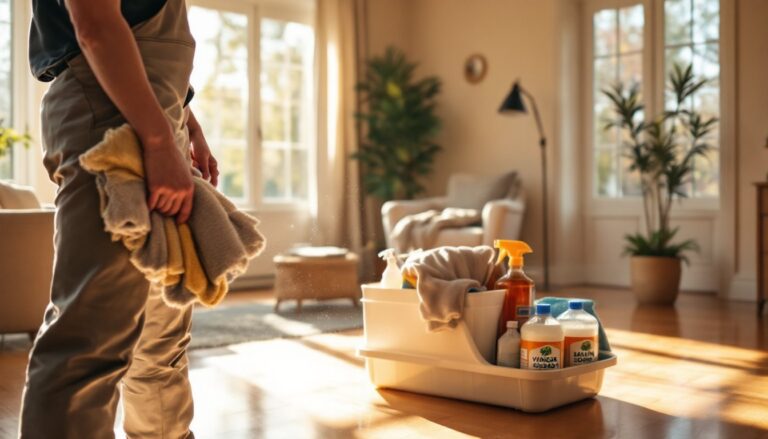
Use vertical storage for supplies: Keep cleaning supplies in a caddy and move it with you. Vinegar, microfiber cloths, brushes, and spray bottles in one portable container beat making multiple trips to a closet.
Batch similar tasks: Do all dusting at once, all bathroom scrubbing at once, all floor work together. Your brain switches modes less, and you’re more efficient. Professional home improvement guides confirm that batching reduces decision fatigue and increases thoroughness.
Delegate by room: If you have a partner or family members, assign one person per room during weekly or bi-weekly deep cleans. Accountability improves consistency, and people tend to do better work on spaces they feel own.