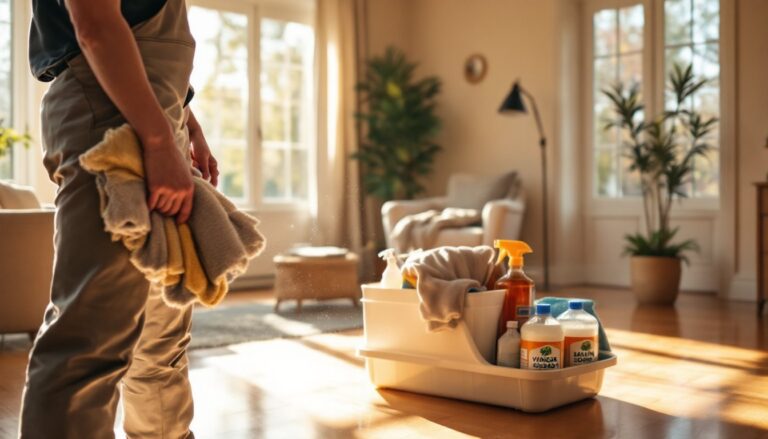
Keeping a home clean in Princeton, New Jersey requires more than just elbow grease, it demands a strategic approach tailored to local conditions. Princeton homeowners face unique cleaning challenges, from humidity that fuels mold growth to mineral-rich hard water that leaves stubborn deposits. Whether you’re managing a Victorian-era home in the historic district or a modern suburban residence, understanding room-specific cleaning techniques saves time, money, and frustration. This guide walks you through professional-level strategies for each major area of your home, giving you the knowledge to maintain a spotless, healthy living environment without hiring a full-time service.
Table of Contents
ToggleKey Takeaways
- House cleaning in Princeton, NJ requires a strategic approach tailored to local humidity and hard water conditions that cause mold growth and mineral deposits.
- Use degreaser with d-limonene for kitchen grease, pH-neutral cleaners for wood cabinets, and always dry stainless steel with a microfiber cloth to prevent streaks.
- Prevent bathroom mold by running exhaust fans for 30+ minutes after showers, using vinegar solution for existing mold, and addressing any recurring mold as a sign of deeper moisture problems.
- Combat Princeton’s hard water stains with acidic cleaners like white vinegar on light deposits, and apply water-repellent coatings to shower doors to reduce future cleaning time.
- Reduce allergens and dust mites by changing furnace filters every 60–90 days, using HEPA vacuums on mattresses, washing bedding weekly in hot water, and maintaining consistent weekly dust control routines.
- Prioritize ventilation, use the correct products for each material, and commit to 30-minute weekly maintenance routines rather than occasional deep cleans to prevent stubborn buildup.
Why Professional-Level Cleaning Matters in Princeton
Princeton’s climate and local water quality make deep cleaning essential for maintaining your home’s value and your family’s health. The region experiences high humidity levels, especially during spring and summer, which creates ideal conditions for mold and mildew to thrive in bathrooms, basements, and poorly ventilated spaces. Hard water, common throughout New Jersey, leaves mineral deposits on faucets, glass, and tile that accumulate quickly and become harder to remove if left unchecked.
Structural factors matter too. Many Princeton homes feature older plumbing systems, hardwood floors, and architectural details that require specialized cleaning approaches. A generic cleaning routine won’t cut it. Professional-level techniques prevent costly damage: using the wrong cleaners on natural stone surfaces can etch them permanently, and aggressive scrubbing can strip finishes from hardwood floors. Understanding what products and methods work for your specific materials protects your investment. Also, thorough cleaning reduces allergens and respiratory irritants that concentrate indoors, which is especially important for households with children, elderly members, or anyone with asthma or allergies.
Kitchen Cleaning: Tackling Grease and Hard-to-Reach Spaces
The kitchen generates more stubborn grime than any other room in your home. Cooking grease migrates onto cabinets, range hoods, and backsplashes, baking on in thin layers that generic degreasers can’t cut through. Start with the right product: a degreaser containing d-limonene (a citrus-derived solvent) outperforms all-purpose cleaners on baked-on stovetops and range hoods. Spray generously, let it sit for 3–5 minutes to break down the grease, then wipe with a microfiber cloth. For stubborn buildup, a soft-bristled brush (not steel wool, which scratches finishes) helps without damaging the surface.
Don’t overlook the exhaust hood filter. Most homeowners skip this, but a clogged filter reduces ventilation efficiency and spreads grease around the kitchen. Remove the filter monthly, soak it in hot water with a degreaser for 15 minutes, then scrub gently and rinse thoroughly. For cabinets, dust first with a dry microfiber cloth to remove loose particles, then wipe with a slightly damp cloth using a pH-neutral wood cleaner. Avoid water-heavy methods on wood, they cause swelling and finish damage.
Appliances and Countertops
Stainless steel appliances demand a specific touch. Hard water leaves streaks that mineral-based deposits create. Use a microfiber cloth with a stainless steel polish and wipe in the direction of the grain. Never use abrasive pads or acidic cleaners like vinegar on steel, they scratch and dull the finish. Countertops vary by material: granite and marble need a pH-balanced stone cleaner to prevent etching, while laminate tolerates a damp cloth with mild dish soap. Quartz counters, engineered from resin and crushed stone, handle more aggressive cleaning but still shouldn’t contact harsh acids or bleach.
Sinks are magnets for water spots and food residue. Scrub with a soft sponge and a paste of baking soda and water, rinse completely, and dry immediately with a microfiber cloth. For stainless steel sinks, follow the same approach as steel appliances. The key to a lasting shine is preventing water from air-drying, which leaves mineral deposits. Professional cleaners know this: they always end with a dry-down step that most DIYers skip.
Bathroom Sanitization: Mold Prevention and Deep Cleaning
Bathrooms are ground zero for mold, mildew, and bacterial growth due to constant moisture. Prevention beats remediation. After showers, squeegee the walls and glass, leave the door open for 30 minutes minimum, and run the exhaust fan for at least 15–20 minutes (many homeowners turn it off too soon). A bathroom fan should run for at least 30 minutes post-shower to prevent moisture from condensing on cold surfaces like tile grout.
For routine sanitization, use a pH-neutral bathroom cleaner on tile and fixtures. Spray, let sit for 2–3 minutes, then scrub with a soft brush and rinse thoroughly. Avoid bleach on colored grout or natural stone, it bleaches and weakens the grout matrix. For toilet bowls, an acid-based toilet bowl cleaner breaks down mineral deposits and disinfects. Never mix it with bleach or other cleaners: the fumes are toxic. Allow it to sit for 5–10 minutes before scrubbing with a dedicated toilet brush. Proper ventilation, opening a window or running the exhaust fan, is critical while using any chemical cleaner.
Tub and shower surrounds require special attention. Soap scum, hard water deposits, and body oils create a film that harbors bacteria and mold. A non-abrasive bathroom scrub paste (baking soda mixed with a small amount of water or hydrogen peroxide) works without scratching fiberglass, acrylic, or tile. For moldy grout, a solution of equal parts white vinegar and water kills mold spores: spray, let sit overnight, then scrub. If mold returns within a few weeks even though good ventilation, consult a moisture professional, it indicates a deeper moisture problem, possibly from a leaking pipe or poor ventilation ducting.
Dealing with Hard Water Stains
Princeton’s hard water leaves persistent mineral deposits on bathroom glass, tile, and fixtures. These deposits, primarily calcium and magnesium carbonates, require an acidic cleaner to dissolve. White vinegar (5% acidity) works for light deposits: spray on glass, let sit 15–20 minutes, then wipe. For heavy buildup, a commercial hard water stain remover with higher acid content tackles the job faster. Always test on a small inconspicuous area first, especially on natural stone like marble, which etches irreversibly in contact with acids.
On faucets and fixtures, hard water spots accumulate in days. Wipe down chrome and stainless fixtures daily with a microfiber cloth to prevent mineral buildup. For existing deposits, soak paper towels in vinegar, wrap them around the faucet aerator or showerhead, and secure with a rubber band for 1–2 hours, then scrub gently. Shower glass doors benefit from a water-repellent coating applied after deep cleaning, it sheds water and prevents spots from forming, cutting your cleaning time in half. These coatings last 3–6 months depending on water hardness and frequency of use.
Living Spaces and Bedrooms: Dust Control and Allergen Reduction
Living rooms and bedrooms harbor dust mites, pet dander, and pollen that aggravate allergies and respiratory conditions. Dust settles on surfaces and in fabrics, accumulating faster in homes with forced-air heating and cooling because HVAC systems stir up particles. Start with the source: change your furnace filter every 60–90 days (more often if you have pets or live in a dusty area). A high-MERV-rated filter (MERV 11 or higher) captures smaller particles, though it does reduce airflow, consult your HVAC manual to ensure your system can handle it without strain.
When dusting, work top-to-bottom so gravity carries dust downward. Use a microfiber cloth slightly dampened with water, dry cloths spread dust into the air where it resettles. Microfiber’s electrostatic charge captures dust instead of pushing it around. Dust ceiling fans, light fixtures, and the tops of door frames where dust concentrates. Hard-to-reach spots like crown molding and ceiling corners collect dust faster than you’d think. A damp cloth on an extension pole tackles these without a ladder.
Bedding is a dust mite breeding ground. Wash sheets weekly in hot water (130°F or hotter kills dust mites) and dry on high heat. Mattresses harbor thousands of mites and their droppings, use a vacuum with a HEPA filter to reduce their population, then cover the mattress with a dust mite-proof encasement. Vacuum carpets twice weekly in high-traffic areas, once weekly elsewhere. Hard flooring in bedrooms prevents dust accumulation better than carpet: if you have hardwood, sweep daily with a damp mop to trap dust rather than push it airborne.
Fabrics, curtains, upholstered furniture, throw rugs, collect dust rapidly. Launder curtains every 2–3 months, vacuum upholstered furniture weekly, and wash area rugs monthly if possible. Air purifiers with HEPA filters help in bedrooms, especially for allergy sufferers: place one near the bed for maximum benefit during sleep when you’re breathing the most concentrated indoor air. Open windows on dry, low-pollen days to exchange stale indoor air for fresh outdoor air, but keep windows closed during peak pollen seasons (spring and early fall in New Jersey). Research from Good Housekeeping confirms that consistent dust control and allergen reduction measurably improve indoor air quality and sleep quality for sensitive individuals.
Conclusion
Professional-level house cleaning isn’t mysterious, it’s systematic. Prioritize ventilation, use the right products for each material, and don’t skip prep work like dusting before wet cleaning. Princeton’s humidity and hard water demand attention to moisture and mineral management. Consistency beats occasional deep cleans: a 30-minute weekly maintenance routine prevents grimy buildup that takes hours to remove later. Start with one room, master the techniques, then roll them out across your home.