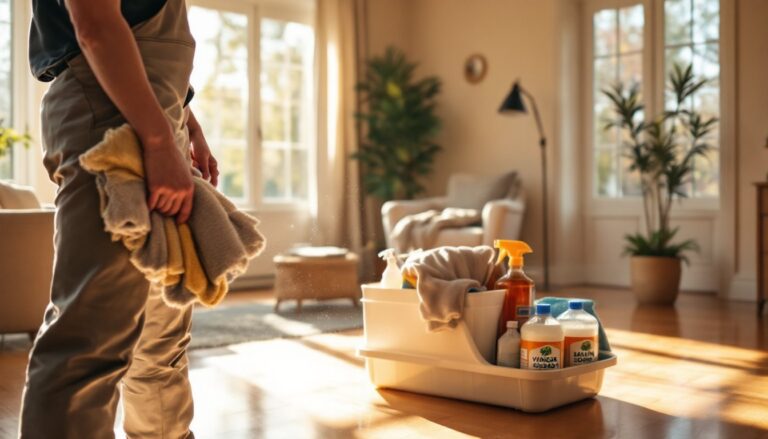
Westminster homeowners juggle busy schedules, unpredictable weather, and the constant reality that a clean house doesn’t stay clean for long. Whether you’re managing a single-family home, a townhouse, or a rental property, the challenge is the same: keeping spaces fresh, hygienic, and presentable without spending your weekend scrubbing baseboards. This guide walks you through professional cleaning options, DIY strategies, and realistic maintenance plans tailored to Westminster’s climate and lifestyle. You’ll learn when to hire help, how to tackle rooms efficiently, and which cleaning methods deliver real results on your budget.
Table of Contents
ToggleKey Takeaways
- Professional house cleaning services save Westminster homeowners 3–5 hours of labor on 2,000-square-foot homes and provide access to commercial-grade equipment that delivers superior results compared to DIY efforts.
- A hybrid approach combining professional deep cleaning 2–4 times yearly with consistent weekly maintenance prevents grime buildup and keeps costs manageable without sacrificing cleanliness.
- Simple, budget-friendly ingredients like vinegar, baking soda, and dish soap work as effectively as expensive specialty cleaners, allowing Westminster homeowners to save 50–70% on cleaning products.
- Following a top-to-bottom, room-by-room cleaning strategy with organized checklists prevents missed spots and reduces overall cleaning time significantly.
- Daily 10-minute habits like wiping counters, doing dishes immediately, and sweeping entryways prevent mess from compounding and reduce the effort required for deeper cleaning sessions.
- Westminster’s warm, humid climate requires seasonal adjustments—focusing on pollen removal in spring, mold prevention in summer, HVAC maintenance in fall, and increased vacuuming in winter.
Why Professional House Cleaning Services Matter In Westminster
Westminster residents often debate whether professional cleaning is worth the investment. The answer depends on your time availability, physical capability, and home size. A typical 2,000-square-foot home in Westminster requires 3 to 5 hours of thorough cleaning, more if deep cleaning baseboards, window sills, and carpets.
Professional cleaners bring speed, consistency, and access to commercial-grade equipment most homeowners don’t own. They carry industrial-strength extractors for carpet cleaning, HEPA-filter vacuums, and microfiber mops that cut through grime faster than standard mop-and-bucket methods. These tools reduce drying time and capture allergens more effectively than consumer alternatives.
Beyond efficiency, professional services handle the physically demanding tasks, moving furniture, climbing ladders for ceiling fans and vents, and scrubbing tile grout with appropriate tools. This matters if you have joint issues, mobility limitations, or simply prefer to spend your free time elsewhere. Many Westminster homeowners book professional deep cleaning 2 to 4 times per year, then maintain between visits with lighter DIY touch-ups. This hybrid approach balances cost and convenience without sacrificing cleanliness.
DIY House Cleaning Strategies For Westminster Homes
If you’re tackling house cleaning yourself, strategy beats brute force. Westminster’s humid summers and seasonal dust buildup require a system that addresses both visible dirt and hidden allergens.
Start with the top-to-bottom, left-to-right rule: dust and debris always fall downward, so cleaning ceilings and upper surfaces first prevents re-contaminating lower areas. Clean one room completely before moving to the next: switching between rooms wastes time and energy.
Invest in a quality upright or canister vacuum with HEPA filtration, especially important in Westminster where spring pollen and summer dust settle quickly. Pair it with a lightweight handheld unit for stairs and upholstered furniture. For floors, a microfiber mop system with a spray bottle attachment beats traditional string mops: microfiber captures finer particles and requires less water, reducing drying time.
Key supplies for DIY success:
- Microfiber cloths (dust and glass without streaks or lint residue)
- Baking soda (deodorizes carpets: let sit 15 minutes before vacuuming)
- White vinegar solution (cuts grease and limescale naturally)
- All-purpose surface cleaner or mild dish soap diluted in water
- Toilet bowl brush and cleaner (don’t skimp, a worn brush doesn’t scrub effectively)
- Rubber gloves and a dust mask (protect hands from harsh surfaces and inhale fewer dust particles)
Weekly spot-cleaning, wiping down kitchen counters, bathroom sinks, and light switches, takes 15 minutes and prevents grime buildup that requires hours of scrubbing later. Resources like Good Housekeeping’s product reviews offer tested recommendations for tools and cleaners that perform reliably, saving you money on ineffective products.
Room-By-Room Cleaning Checklist For Maximum Efficiency
Organized checklists prevent missing spots and speed up the process. Here’s a focused, realistic checklist for Westminster homes:
Bathrooms (20–30 minutes per bathroom):
- Ventilation fan: wipe fins with dry cloth to clear dust
- Mirror: spray with glass cleaner, wipe dry
- Sink and faucet: scrub with bathroom cleaner: pay attention to faucet base where soap scum accumulates
- Toilet: apply toilet bowl cleaner under the rim, let sit 2 minutes, scrub with toilet brush
- Shower/tub: spray with bathroom cleaner, scrub tile and surround: rinse thoroughly
- Floor: sweep first, then damp-mop
Kitchen (30–45 minutes):
- Stovetop: wipe down after each use, but deep-clean weekly (remove grates if gas stove, soak in hot water with dish soap for 10 minutes)
- Microwave: run a bowl of water with lemon for 5 minutes to loosen splatters, then wipe
- Cabinet fronts and handles: wipe with damp microfiber cloth
- Countertops and backsplash: clear, spray with surface cleaner, wipe dry
- Sink: scrub with baking soda paste, rinse well
- Appliance exterior: wipe fingerprints and spills
- Floor: sweep thoroughly, then damp-mop
Bedrooms (15–20 minutes each):
- Dust ceiling corners, light fixtures, and ceiling fan blades first
- Dust all surfaces: nightstands, dressers, shelves
- Change sheets (wash in hot water if allergy-prone)
- Vacuum under and around bed
- Wipe light switches and door handles
Living Spaces (25–35 minutes per room):
- Dust TV screen, electronics, and baseboards
- Wipe down light switches and door frames
- Vacuum under cushions: flip cushions if removable
- Vacuum and spot-treat carpet or hard floors
Approaches like those detailed in The Spruce’s home improvement guides help you identify hidden problem areas, under appliances, behind furniture, inside vents, that collect dust and allergens. Designate 30 minutes twice yearly to these often-neglected zones.
Seasonal Deep Cleaning Tips For Westminster Residences
Westminster’s climate, warm, humid summers and mild winters, means different seasonal challenges. Timing deep-cleaning tasks strategically reduces effort.
Spring (April–May):
Pollen and winter dust accumulation peak. Open windows on dry days to air out the house. Wash interior windows (inside and out if accessible). Vacuum or wash air-return vents and ductwork covers. Scrub baseboards where dust and pet hair settle. Clean inside cabinets and drawers: wipe shelf liners.
Summer (June–August):
Humidity encourages mold and mildew. Focus on bathrooms and basements. Run dehumidifiers in damp areas. Wipe tile grout with vinegar solution to prevent mold. Deep-clean refrigerator coils (unplug first). Wash windows again, summer dust and bug splatters accumulate quickly.
Fall (September–November):
Prep for cooler months when heating increases dust circulation. Clean or replace HVAC filters more frequently (every 30 days if you have pets or allergies). Deep-clean inside the oven (use a commercial oven cleaner or paste of baking soda and water: avoid fume-heavy cleaners in enclosed kitchens). Wash exterior of light fixtures and wipe down door frames.
Winter (December–March):
Heated indoor air is dry: dust circulates more. Run a humidifier if indoor humidity drops below 30% (prevents respiratory irritation and wood cracking). Vacuum more frequently: salt and dirt from shoes track indoors. Wipe down heater vents monthly. Focus on entryways and high-traffic areas.
Deep-cleaning basements or crawl spaces requires respiratory protection, dust masks rated N95 or higher if mold, mildew, or old insulation is present. If you spot visible mold (black, greenish patches), consult a professional: mold remediation is structural work, not a DIY cleaning task.
Budget-Friendly Cleaning Products And Equipment
High price doesn’t equal effectiveness. Many Westminster homeowners save 50–70% by using simple, versatile ingredients instead of specialty cleaners.
Essential DIY Solutions:
- Vinegar and water (1:1 ratio): cuts grease, dissolves mineral deposits, deodorizes. Skip this on natural stone (marble, granite) as acidity can etch the surface.
- Baking soda: deodorizes, mild abrasive for scrubbing, absorbs odors in carpets
- Dish soap: gentle all-purpose cleaner: dilute well to avoid residue
- Rubbing alcohol: evaporates quickly, effective on mirrors and windows without streaking
Reusable Equipment Saves Money Long-Term:
- Microfiber cloths ($10–15 per set of 12): last 2–3 years with proper washing
- Spray bottles (reuse or buy bulk packs): $1–2 each, refillable indefinitely
- Old toothbrushes: perfect for grout, corners, and tight spaces
- Squeegee: prevents water spotting on shower glass, extends shower cleanliness
Product Investments Worth Making:
A quality vacuum with HEPA filtration ($150–300) lasts 5–7 years and captures allergens that standard vacuums release back into the air. A cordless handheld unit ($100–200) tackles stairs, upholstery, and car interiors efficiently. Martha Stewart’s home organization resources often feature budget-friendly product recommendations and DIY solutions that reduce waste while cutting costs.
Skip These Purchases:
Specialty “hardwood floor” cleaners, “granite cleaner,” or scent-boosting sprays. Plain vinegar works on most hard floors: stone-specific pH-neutral cleaners cost more but deliver the same result. Scents mask odors temporarily, fix the source (mold, pet accidents, spoiled food) instead of perfuming over problems.
Maintaining A Clean Home Between Professional Cleanings
The goal isn’t perfection: it’s preventing mess from compounding. Westminster homeowners who maintain consistency between deep cleans spend far less time and energy overall.
Daily 10-Minute Habits:
- Make beds and clear nightstands
- Do dishes immediately: a sink full of dishes attracts pests and grows mold
- Wipe down kitchen counters and stovetop after cooking
- Do a quick bathroom sink wipe after morning and evening routines
- Sweep high-traffic kitchen or entryway floor to contain tracked dirt
Weekly 30-Minute Tasks (Choose By Room):
- Bathroom: toilet and sink scrub, floor mop
- Kitchen: refrigerator interior wipe, microwave steam-clean, appliance exterior polish
- Bedroom: dust surfaces, change sheets, vacuum under bed
- Living areas: vacuum furniture and high-traffic carpet areas, wipe light switches
Quarterly (4 Times Per Year):
- Wipe baseboards and door frames
- Clean inside cabinet doors and hardware
- Dust ceiling corners and fan blades
- Deep-clean inside oven and refrigerator
Preventing Common Buildup:
Washable doormats at entries reduce outdoor dirt tracking by 80%. Assign a “clean-up basket” in each room for items that migrate: a 2-minute end-of-day collection beats hunting for lost items later. Pet owners should vacuum high-traffic areas 2–3 times weekly: pet hair tangles in brush rollers and reduces suction if ignored. Clear bathroom exhaust fans monthly by vacuuming or wiping fins: clogged vents trap moisture and encourage mold. Wipe dishwasher seals after loading: food particles and soap scum accumulate quickly in rubber grooves, causing odors and leaks.
Conclusion
Keeping a Westminster home clean doesn’t require heroic effort or expensive services. A realistic combination, professional deep cleaning 2–4 times yearly, consistent weekly maintenance, and strategic seasonal tasks, keeps your home healthy and guest-ready without burnout. Start with one room, test a homemade cleaner, and adjust your system based on what works. Clean homes happen through small, repeated habits, not grand gestures. You’ve got this.