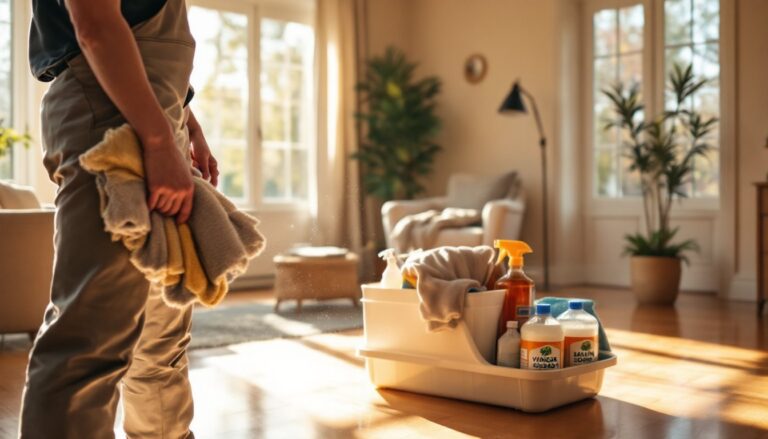
Evanston’s lakefront charm and tree-lined neighborhoods come with unique cleaning challenges. Hard water deposits from Lake Michigan’s minerals, salt spray from winter maintenance, and the seasonal buildup from heavy Midwest weather can leave even well-maintained homes looking dull and dingy. Whether you’re renting near Northwestern’s campus or maintaining a vintage Victorian on the North Shore, understanding how local conditions affect your home’s cleaning needs makes the difference between a quick surface wipe and truly effective results. This guide walks you through the cleaning strategies that actually work in Evanston, from DIY solutions to knowing when it’s time to call in professionals.
Table of Contents
ToggleKey Takeaways
- House cleaning in Evanston requires tailored strategies that account for hard water deposits, lake-effect weather, and seasonal challenges unique to the region’s lakefront and tree-lined neighborhoods.
- Prioritize structural protection tasks like gutter cleaning, window maintenance, and spring salt removal to prevent long-term damage from Evanston’s climate conditions.
- DIY solutions using vinegar, baking soda, and castile soap are cost-effective and safe alternatives to commercial cleaners for most household cleaning needs in Evanston.
- Hard water stains—Evanston’s signature cleaning problem—respond well to acid-based solutions like vinegar or oxygen bleach applied to fixtures, windows, and exterior surfaces.
- Professional cleaning services are worth the investment for carpet extraction, high-reach window cleaning, pressure washing, and mold remediation that exceeds DIY capability and safety.
- Understanding your home’s age and materials ensures you apply appropriate cleaning techniques—vintage Victorians need gentler care than mid-century or new construction homes in Evanston neighborhoods.
Why Evanston Homeowners Need a Tailored Cleaning Strategy
Evanston isn’t Chicago, and a one-size-fits-all cleaning approach won’t cut it here. The combination of lake-effect weather, hard water, and architectural variety means your home faces specific challenges that generic cleaning guides ignore.
The hard water in Evanston comes from mineral deposits in the local water supply, primarily calcium and magnesium. Over time, these minerals accumulate on fixtures, shower walls, and windows, creating stubborn buildup that regular soap won’t dissolve. Winter also brings salt deposits from road treatment and wind-blown sand that work into siding, trim, and foundation areas.
Older Evanston homes, particularly those built before 1950, have porous brick, original woodwork, and plaster walls that require gentler handling than modern drywall and vinyl siding. Meanwhile, newer construction in areas like Kendall Green may have composite decking, low-e windows, and engineered finishes that demand specific care instructions.
Understanding your home’s age, materials, and exposure to lake winds helps you target effort where it counts. A Victorian in Lighthouse Landing needs different attention than a mid-century split-level on the east side.
Essential Cleaning Tasks Every Evanston Home Should Prioritize
Not all cleaning tasks carry equal weight. Priorities change with seasons and Evanston’s weather patterns, so strategic focus beats rushing through everything at once.
Start with windows and screens in spring and fall. Lake winds carry salt spray and fine sand that accumulate quickly on glass and frames. Clean windows let light in properly and prevent mineral etching that becomes permanent if left too long. Use a squeegee and distilled water to avoid leaving hard water streaks.
Gutters and downspouts demand attention after leaf drop and before winter. Evanston’s tree canopy is beautiful but sheds heavily, clogged gutters cause water to back up under fascia and into siding joints. This isn’t cosmetic: it’s structural protection. Check them monthly during fall and clear debris by hand (wear gloves) or with a gutter scoop.
Winter salt accumulation on entryways, driveways, and siding requires a deliberate spring cleanup. This buildup accelerates concrete degradation and can etch aluminum trim if left through freeze-thaw cycles.
Interior humidity control matters year-round. Lake air carries moisture: in winter, interior heating dries things out. Bathrooms and basements need vigilant mold prevention, run exhaust fans during and 20 minutes after showers, and ensure crawlspaces have proper grading and vapor barriers.
Tackling Hard Water Stains and Weather-Related Buildup
Hard water stains are the signature Evanston cleaning problem. They appear as milky films on shower glass, white rings around faucet aerators, and chalky residue on fixtures. Standard soap-based cleaners won’t budge them: you need acid-based solutions or mechanical action.
For bathroom fixtures and chrome, white vinegar (5% acetic acid) works well for light deposits. Pour it into a spray bottle, apply to the stained area, let it sit 15–20 minutes, and scrub with a soft brush or non-scratch sponge. Rinse thoroughly with clean water. For stubborn mineral buildup on showerheads, soak them in a cup of vinegar overnight, the acidity dissolves deposits without chemicals.
On windows and glass doors, use a 1:1 mixture of white vinegar and distilled water. Spray, let it sit briefly, and squeegee from top to bottom. Avoid squeegees on textured glass: use microfiber cloths instead to prevent streaking.
For exterior concrete and stone, pressure washing removes salt and mineral deposits, but use caution, high pressure (over 3000 PSI) can damage older masonry. Rent a surface cleaner attachment (typically 2500 PSI) for driveways and patios, and keep the nozzle moving to avoid etching. Always test on an inconspicuous spot first.
DIY Cleaning Solutions That Work Best for Evanston Homes
Commercial cleaners work, but homemade solutions cost a fraction of the price and work just as well for most Evanston cleaning challenges. They’re also safer around children and pets, and you avoid harsh fumes in tight spaces.
Baking soda is your workhorse. Mix 4 tablespoons baking soda with ¼ cup water to form a paste for scrubbing tile, grout, and tub surrounds. For tougher jobs, add a few drops of lemon juice, the citric acid boosts cleaning power. Baking soda also deodorizes carpets and upholstery: sprinkle it on, let it sit 15 minutes, and vacuum.
For all-purpose surface cleaning, combine 1 cup water, 1 tablespoon vinegar, and 1 teaspoon castile soap in a spray bottle. This cuts grease on kitchen counters, works on mirrors and windows (though squeegee is still best), and is safe for most painted surfaces. Shake before each use.
Oxygen bleach (sodium percarbonate) is safer than chlorine bleach for colored surfaces and is particularly good for mildew on siding and patios. Mix according to package directions, typically 1 scoop per gallon of water. Spray, let sit 10–15 minutes, scrub lightly, and rinse thoroughly. Wear gloves and eye protection when mixing.
For grout lines, baking soda paste works, but if mold or mildew is present, you’ll need something stronger. A 50:50 hydrogen peroxide and water solution kills mold spores without the ammonia smell of other products. Spray, let sit 10 minutes, scrub, and rinse.
Budget-Friendly Recipes for Common Household Cleaners
These recipes cost pennies per batch and cut through common Evanston cleaning scenarios.
Glass and Window Cleaner: Mix 1 cup distilled water, 1 tablespoon white vinegar, and a tiny drop of dish soap. Spray and squeegee. Distilled water prevents hard water streaks that tap water leaves behind.
Bathroom Tile and Tub Scrub: Combine 4 tablespoons baking soda with 3 tablespoons water to form a thick paste. Apply directly to tile, grout, and tub, scrub with a brush, and rinse. Add 2–3 drops of tea tree oil if mold is a concern, it’s a natural fungicide.
Degreaser for Kitchen: Mix 2 cups water, 2 tablespoons castile soap, and ½ teaspoon lemon essential oil (optional but effective). Spray on stovetops, range hoods, and cabinet fronts: let sit 2 minutes, then wipe. For baked-on spills, add 1 tablespoon baking soda to make a scrub paste.
Floor Cleaner: For vinyl or tile, combine 1 gallon warm water, ½ cup white vinegar, and 10 drops of your favorite essential oil for scent (lavender or lemon work well). Don’t oversaturate: damp mop only. For hardwood, reduce vinegar to ¼ cup and use less water overall.
Store these in labeled spray bottles and make fresh batches monthly. They’re shelf-stable if kept in cool, dark places, and Real Simple’s home organization guides offer clever storage solutions for cleaning supplies that keep them accessible but out of sight.
When to Hire Professional Cleaning Services in Evanston
Some jobs exceed DIY scope. Knowing when to hire professionals saves time, prevents damage, and sometimes costs less than repeated failed attempts.
Professional carpet cleaning is worth the cost if you have wall-to-wall carpeting. Hot-water extraction equipment (truck-mounted or portable) removes deep soil, allergens, and pet odors that vacuuming can’t reach. DIY rental machines don’t generate enough heat or suction. Expect $150–$400 for a typical 3-bedroom home, depending on condition and traffic patterns.
Window cleaning becomes essential for homes with hard-to-reach exterior surfaces, high second-story panes, skylights, or those large bay windows that need safe ladder work. Professionals have proper equipment and insurance. Budget $200–$500 depending on your home’s size and window count.
Pressure washing your home’s siding, driveway, or patio can be tackled as a DIY project if you’re comfortable with equipment, but it carries risks. The Spruce’s comprehensive pressure washing guides outline safety protocols, but hiring a licensed pro eliminates liability if something goes wrong. They also know how to adjust pressure for different materials, brick, stucco, vinyl, and composite siding each need different PSI settings. Expect $300–$800 for a full exterior cleaning.
Mold remediation in basements or crawlspaces often requires professional assessment. Visible mold that covers more than 10 square feet may indicate a moisture control problem that needs fixing before cleaning. A professional can identify the source, poor grading, foundation cracks, or inadequate ventilation, and recommend fixes, not just cosmetic cleaning.
End-of-lease deep cleaning for renters near Northwestern or in apartment complexes is often required by landlords. DIY attempts frequently miss landlord-checklist items (light fixtures, baseboards, behind appliances). A professional deep clean typically runs $300–$600 and provides documentation if disputes arise.
When calling Evanston cleaning services, ask specifically about hard water experience and request references from other local homes. Ask whether they use eco-friendly products if that matters to you, and confirm they’re insured and bonded. Get written estimates: they should break down exactly what’s included.
Conclusion
Evanston’s location and climate create distinct cleaning demands, hard water, salt spray, and heavy leaf drop aren’t obstacles to work around but conditions to plan for. Prioritize projects that protect your home’s integrity: gutters, weathering damage, and moisture control. Handle routine tasks with inexpensive, proven DIY solutions, and reserve professional help for jobs requiring equipment, reach, or expertise you don’t have. Your home will stay cleaner, longer, and you’ll avoid costly damage down the road.