Most homeowners think “clean” and “deep clean” mean the same thing. They don’t. A regular vacuum-and-dust routine keeps your space livable, but deep cleaning targets the grime that builds up on baseboards, inside cabinet corners, under appliances, and deep within carpet fibers. It’s the kind of cleaning that requires a plan, specific tools, and several hours of focused work. Whether you’re tackling this yourself or considering a professional deep cleaning home service, understanding what’s involved helps you decide what makes sense for your situation and budget. This guide walks you through a methodical approach to deep cleaning your entire home.
Table of Contents
ToggleKey Takeaways
- Deep cleaning targets hidden grime in baseboards, behind appliances, and carpet fibers that regular cleaning misses, making it essential every 3–6 months for a healthier home.
- A professional deep cleaning home service or DIY approach requires specific tools like HEPA vacuums, steam cleaners, microfiber cloths, and degreasers to be truly effective.
- Commonly overlooked areas during cleaning include refrigerator coils, HVAC vents, inside cabinet shelves, behind appliances, and light fixtures—prioritizing these transforms indoor air quality.
- Homes with pets or family members with allergies benefit from quarterly deep cleaning instead of semi-annual schedules to reduce dust, dander, and allergen buildup.
- Create a realistic deep cleaning schedule by tackling one room per weekend (2–3 hours each) rather than attempting a 12-hour marathon, and use checklists to track progress and hidden corners.
- Whether choosing DIY or hiring a professional deep cleaning service, starting with one room and following a systematic approach prevents overwhelm and ensures sustainable home maintenance.
What Is Deep Cleaning and Why It Matters
The Difference Between Regular Cleaning and Deep Cleaning
Regular cleaning handles the visible dirt: wiping surfaces, vacuuming floors, and cleaning bathrooms. Deep cleaning goes further. It tackles buildup on high shelves, inside ovens, behind refrigerators, and along trim work that normal cleaning misses. The frequency differs too, regular cleaning happens weekly or bi-weekly, while deep cleaning typically occurs every three to six months.
Deep cleaning matters because dirt, dust, and allergens accumulate in spaces you can’t reach during routine tidying. Over time, this buildup affects indoor air quality and can shorten the lifespan of appliances and flooring. A thorough understanding of the differences between standard and deep cleaning approaches helps homeowners plan accordingly. If you have allergies, pets, or family members with respiratory sensitivities, deep cleaning becomes even more important for maintaining a healthier living environment.
Essential Tools and Supplies You’ll Need
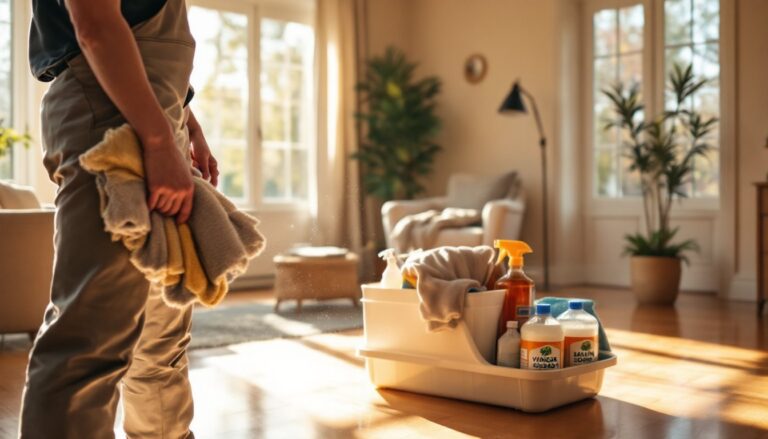
Successful deep cleaning depends on having the right equipment. A standard toolkit includes a vacuum with HEPA filtration (captures smaller allergens), a steam cleaner for grout and tile, microfiber cloths (they trap dust better than cotton), and a bucket system with two compartments, one for cleaning solution, one for rinsing. For upholstery, an upholstery brush or handheld steam cleaner makes a real difference.
Chemical-wise, you’ll want an all-purpose degreaser for kitchen surfaces, a bathroom cleaner with mildew-fighting agents, and white vinegar mixed with water for windows and glass. A squeegee works better than paper towels for streak-free results. For carpets and grout, consider a grout brush with stiff bristles, it beats a sponge every time. Safety matters: wear disposable gloves, safety goggles when using harsh chemicals, and ensure good ventilation by opening windows and running fans. A dust mask is essential if you’re cleaning areas with accumulated dust or mold.
Room-by-Room Deep Cleaning Strategies
Kitchen
Start by removing items from inside cabinets and wiping down all interior surfaces with a damp cloth. Degrease the stovetop, backsplash, and cabinet fronts with an appropriate degreaser, let it sit for a few minutes before wiping. Use a small brush to clean around burner grates and inside the oven. Refrigerator coils (usually found behind or underneath) collect dust that reduces efficiency: vacuum them with a brush attachment. Don’t forget the inside of the microwave and the space between appliances and walls.
Bathrooms
Bathroom deep cleaning centers on grout, caulk, and hard-to-reach corners. Scrub grout lines with a stiff grout brush and a mild acidic cleaner (diluted vinegar works). Pay attention to the baseboards, tile inside and behind the toilet, and the ventilation fan cover, it collects dust that can harbor bacteria. Clean mirror edges, light fixtures, and the shower enclosure frame where mineral deposits and mildew hide. Disinfect the toilet bowl with a long-handled brush, reaching under the rim.
Bedrooms
Vacuum under the bed and furniture, where dust and debris accumulate. Wipe down ceiling corners and light fixtures to remove cobwebs. Clean closet shelves and rod areas thoroughly, dust settles here and transfers to clothing. Wash baseboards and consider rotating or flipping mattresses during this time. Wipe down HVAC vents and return-air grilles, which are major dust magnets.
Living Areas
Move furniture to vacuum and mop underneath. Clean ceiling fans, air vents, and the tops of window frames and door frames. Wipe baseboards throughout and clean inside any built-in shelving. Don’t overlook light switches, door handles, and remote controls, these high-touch surfaces harbor bacteria and dust.
Common Areas People Miss During Home Cleaning
The top hiding spots for grime are often the ones that escape notice. Inside cabinet and closet shelves collect dust because people rarely reach the back edges. Behind and under large appliances accumulate crumbs, pet hair, and grease, move refrigerators and stoves at least twice a year. Window blinds and screens trap dust and pollen: they need individual attention with a brush or cloth. Air return vents and furnace filters accumulate dust that recirculates through your home: a clogged filter reduces air quality and forces your HVAC system to work harder.
Light fixtures, particularly ceiling fans, are magnets for dust because few people look up during regular cleaning. The tops of door frames and crown molding are invisible from ground level but visible from certain angles. Baseboards should be wiped, not just vacuumed, vacuums miss the textured surface. Refrigerator coils and dryer vents become fire and efficiency hazards when clogged. For a comprehensive approach to maintaining your home’s cleanliness year-round, explore home improvement resources that detail seasonal maintenance. Finally, don’t forget less obvious areas like inside kitchen drawers, under sink cabinets (check for mold or leaks), and behind bathroom mirrors and medicine cabinets.
Creating a Deep Cleaning Schedule That Works
The best deep cleaning schedule is one you’ll actually follow. Aim for a full-house deep clean every three to six months, depending on household traffic and allergies. Mark it on your calendar as a weekend project, or tackle one room per weekend if a full house feels overwhelming. Breaking the work across four Saturdays means each session takes 2–3 hours instead of a 12-hour marathon.
Household factors matter. Homes with pets need more frequent deep cleaning because of hair and dander: aim for quarterly rather than semi-annual. Busy families might benefit from professional service for the heavy lifting, platforms like HomeAdvisor help you find local contractors and get pricing. During seasonal transitions (spring and fall), prioritize HVAC maintenance as part of your deep clean. Winter tends to trap more dust indoors because homes stay closed: a January deep clean pays dividends. Document what you’ve completed and note any damage, mold, or areas needing professional attention so you stay on top of maintenance issues before they worsen.
Keeping a simple checklist prevents you from forgetting those hidden corners. Digital tools, sticky notes, or a printed sheet all work, whatever you’ll actually reference. Set reminders three weeks ahead so you can gather supplies and block off the time. Many homeowners find that professional home improvement platforms offer inspiration and contractor connections when a DIY approach feels too demanding.
Conclusion
Deep cleaning is honest work, but it transforms your home’s health and longevity. The key is showing up with the right tools, a clear plan, and realistic expectations about time and effort. Whether you tackle it yourself or hire professionals, understanding what deep cleaning involves helps you maintain a cleaner, healthier living space. Start with one room, follow a systematic approach, and build from there. Your home, and your air quality, will thank you for it.